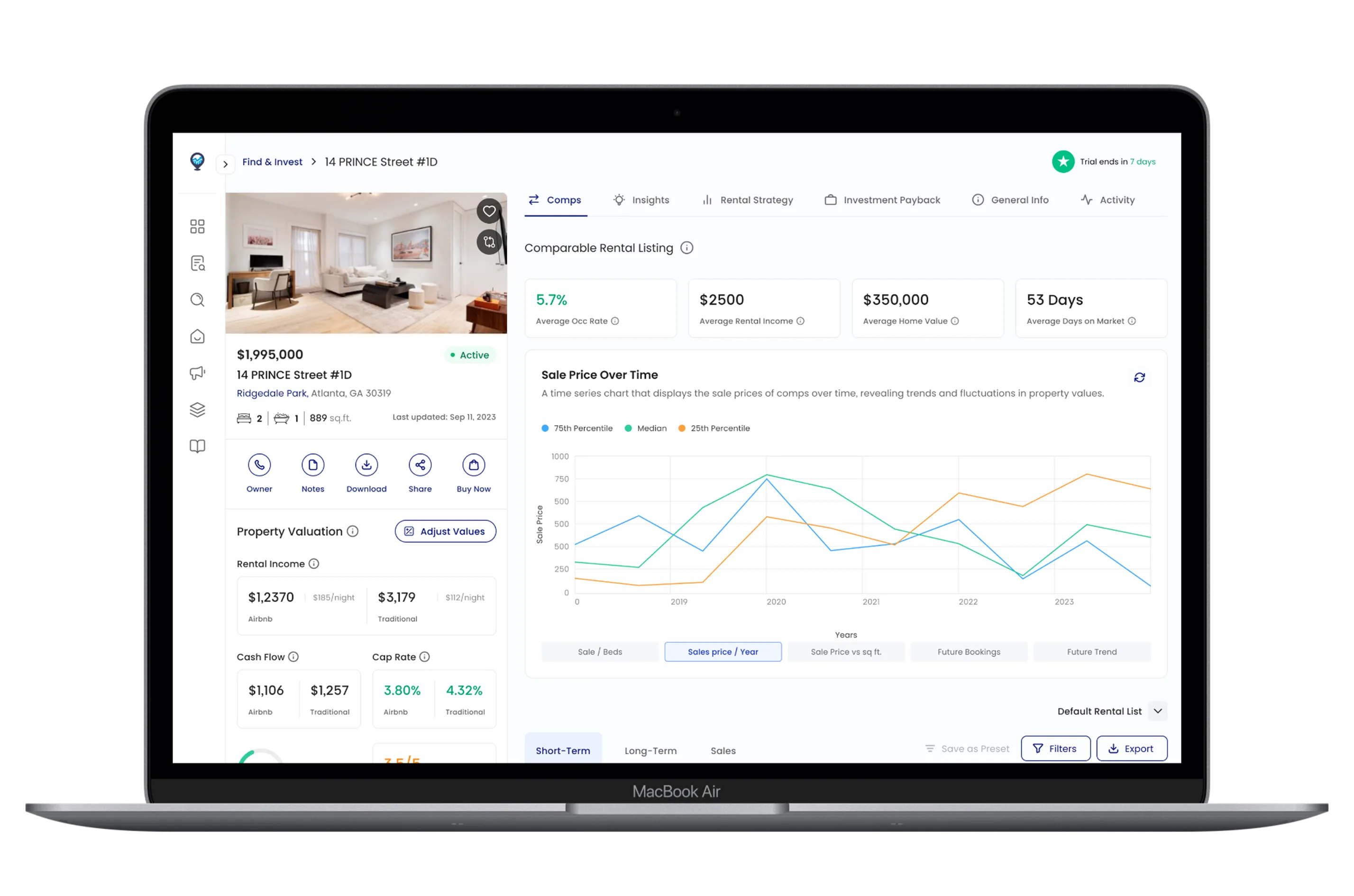
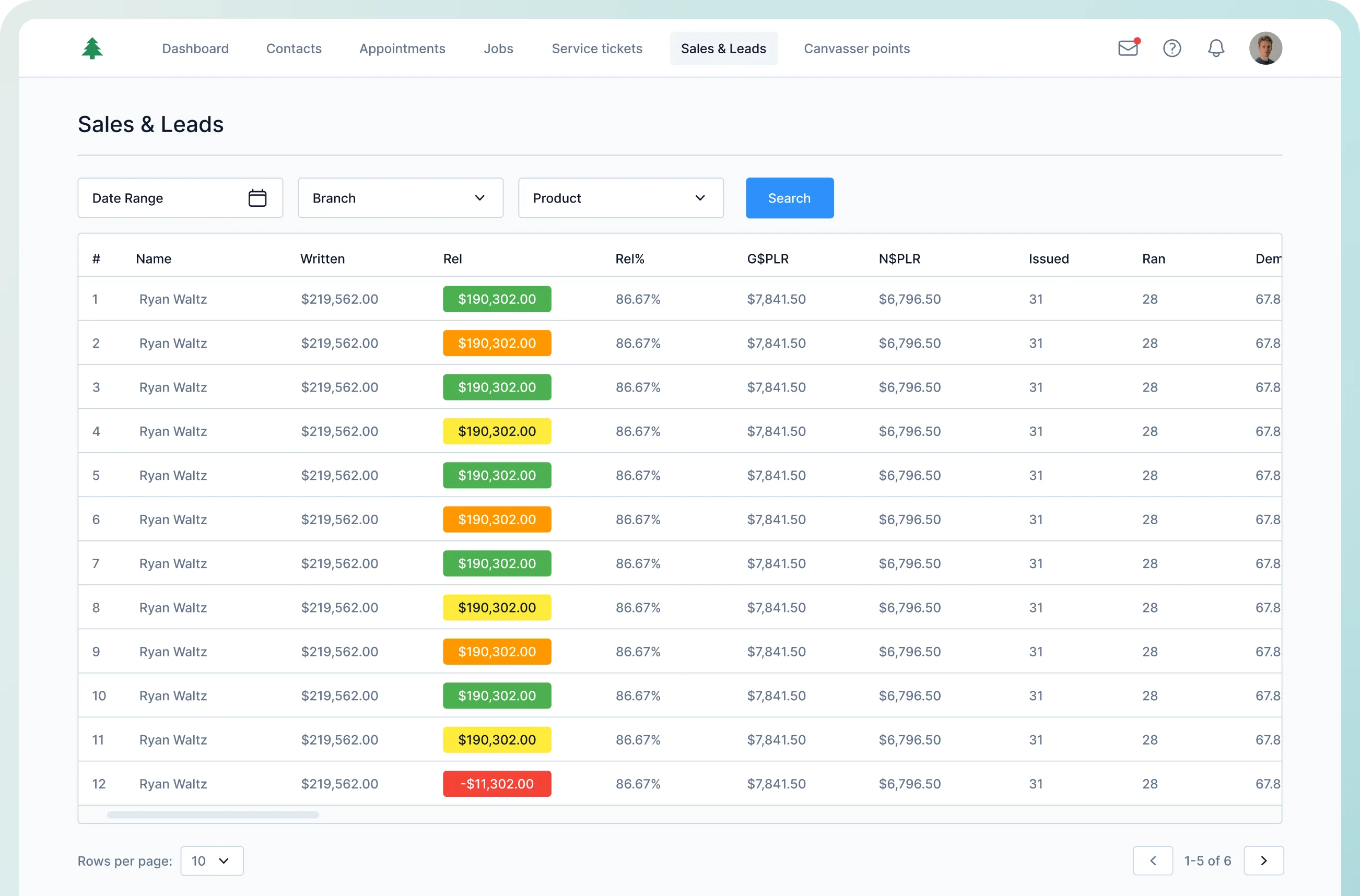
Their team has been great — very strong design skills, and we’ve been able to rapidly iterate and develop a great product. Coordination is very smooth. We made the Denovers designer part of our internal team.

Their team has been great — very strong design skills, and we’ve been able to rapidly iterate and develop a great product. Coordination is very smooth. We made the Denovers designer part of our internal team.
HoneyBricks had a bold product vision: make premium real-estate investing feel as accessible as buying stocks online. The platform was already live, investors were already using it, and the product had strong momentum. But the experience needed to mature quickly.
This was not a simple landing page or early prototype. HoneyBricks was handling sensitive investment workflows: onboarding, accreditation, bank accounts, investment entities, distributions, documents, portfolio performance, investor activity, and sponsor-side fundraising. The product needed to feel trustworthy enough for investors and operational enough for sponsors. That meant the UX had to do two things at the same time: make real-estate investing simple for investors, and give sponsors the tools to manage capital, offerings, prospects, and relationships.
HoneyBricks first brought Denovers in for a trial sprint to see if our team could work inside their existing design system and move at the speed they needed. The trial worked. The engagement became a two-year partnership.
Portfolio dashboard · onboarding · accreditation · banking · account members · secondary market
Offerings · investor activity · CRM · prospect funnel · insights · documents · distributions
Dedicated designer · Slack / Figma / Jira · Loom async feedback · direct CEO collaboration
Make a complex investment SaaS feel clear, credible, and fast enough to support growth
HoneyBricks did not need a traditional agency. They needed product design support that felt like an internal hire: someone who could join their team tools, understand the product deeply, and keep improving the platform sprint after sprint.
We started with a focused trial inside their existing product system. The first tasks were small but important: improve components, refine flows, and show that we could adapt to their design language without slowing the team down. That first sprint built trust. Soon, Denovers became an extension of the HoneyBricks product team.
A senior product designer worked directly with CEO Andrew and the internal team across investor and sponsor workflows. As the product grew, Denovers also added frontend engineering support, with a senior React engineer helping turn the designed experience into production-ready UI.
Over two years, the product evolved from an investor marketplace into a more complete real-estate investment operating system. The investor side became clearer. The sponsor side became more powerful. The design system became more reusable. And the product became strong enough to support the company’s next chapter: acquisition by EquityMultiple.
One team across two companies — Denovers design + frontend working side by side with HoneyBricks’ CEO and backend team.
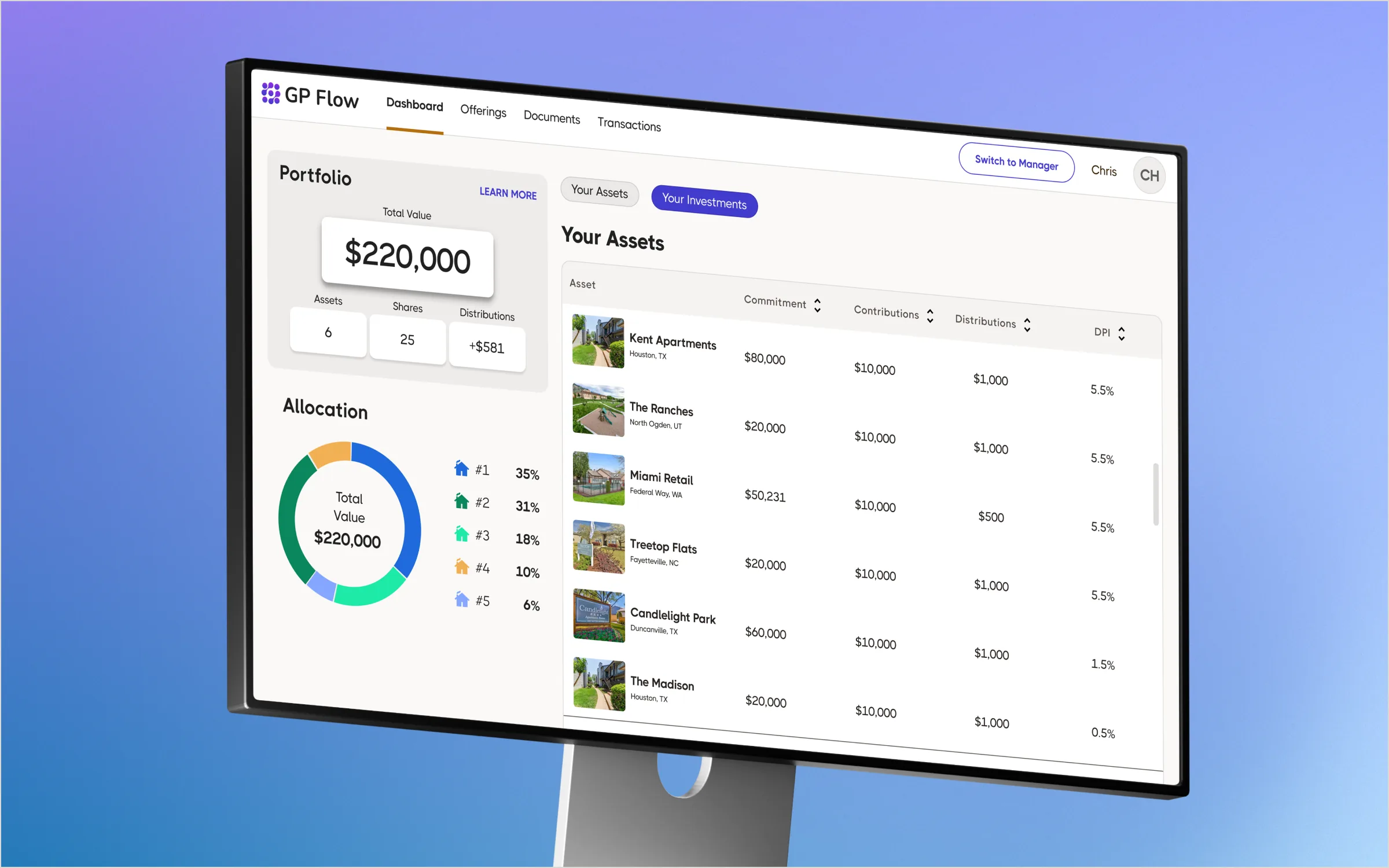
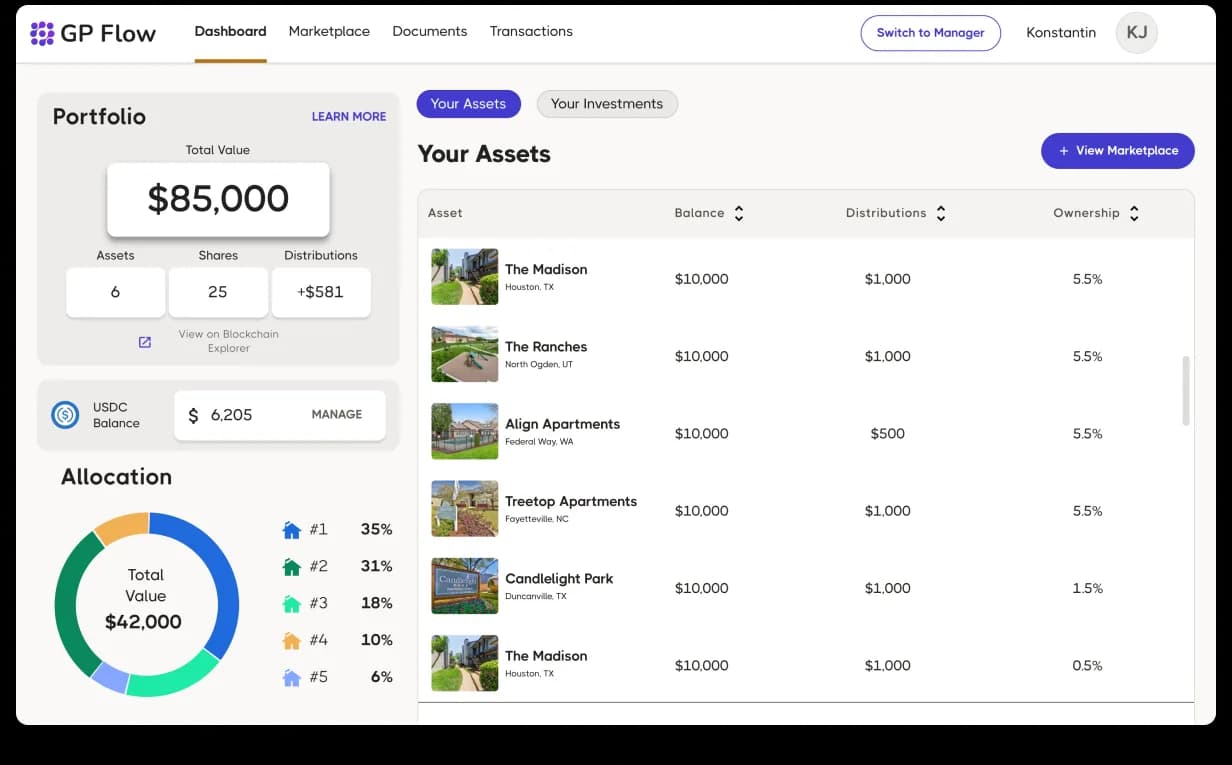
For investors, the dashboard had to build confidence fast. This was not a casual consumer app. Users were making real investment decisions, reviewing asset performance, tracking distributions, managing documents, and checking portfolio health. We redesigned the investor dashboard to make key information easier to understand at a glance. The experience brought together total portfolio value, asset ownership, distributions, USDC balance, allocation breakdowns, deal performance, downloadable documents, and investment status. Instead of making investors search through different sections, the dashboard became a trusted home base. It showed users what they owned, how their portfolio was performing, and where they needed to act next.
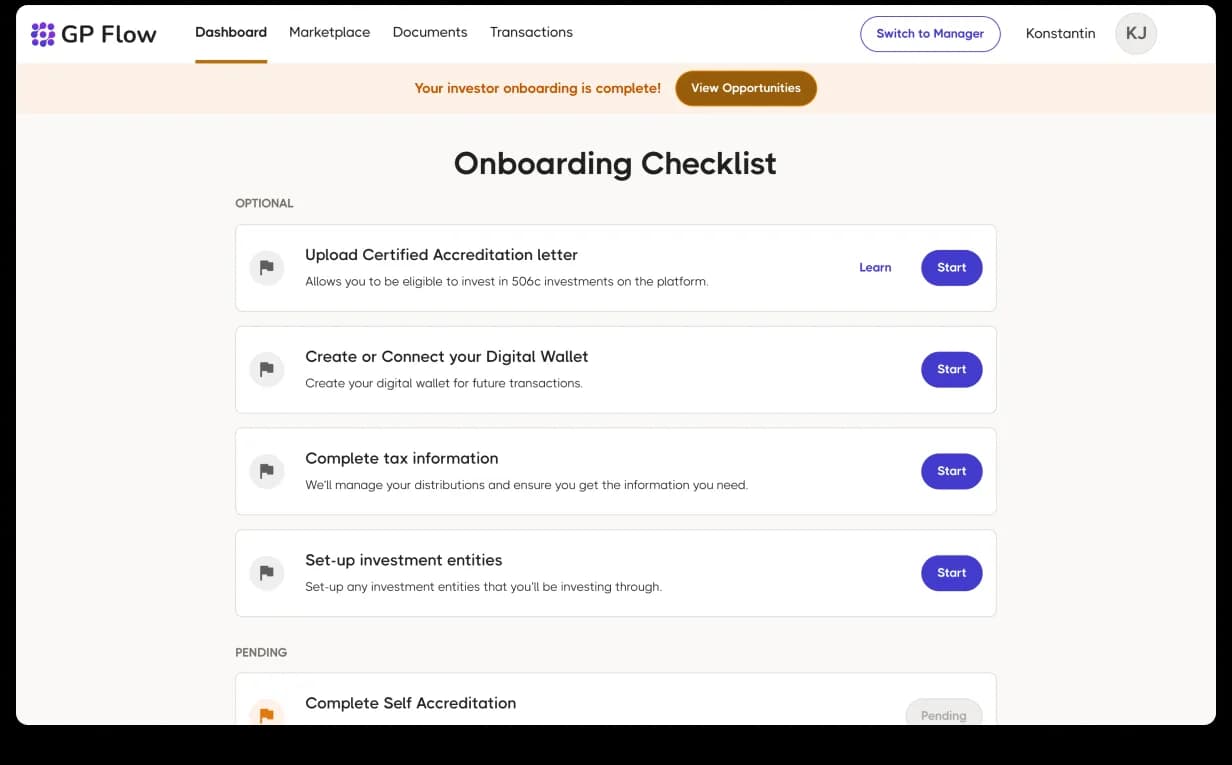
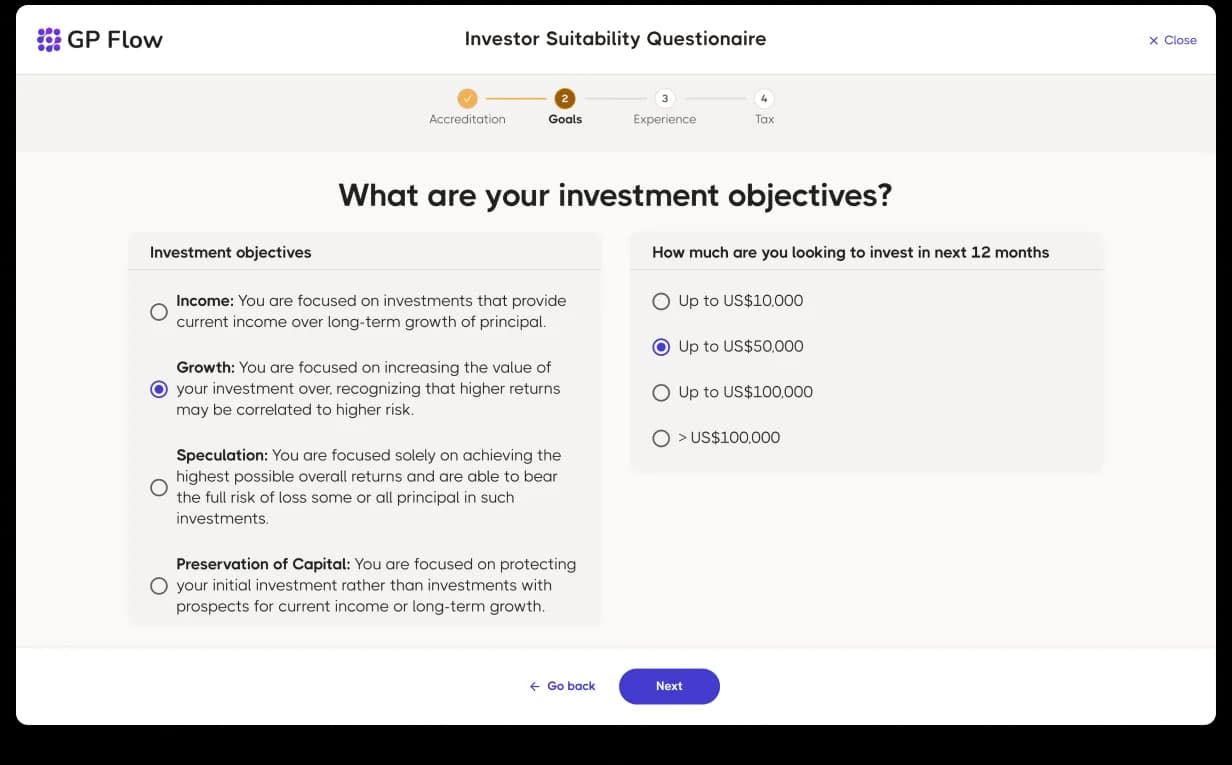
Investment onboarding can feel heavy. HoneyBricks needed to collect the right information while keeping the process clear enough for users to complete without confusion. We redesigned the onboarding experience into a visible checklist that showed users what was complete, what was pending, and what was optional. The accreditation flow was also reworked into a clearer step-by-step journey. Instead of overwhelming users with dense forms, the experience guided them through suitability, investment goals, experience, and tax-related inputs with better pacing and structure. The goal was simple: reduce uncertainty at every step. For a product where trust matters, onboarding could not feel like paperwork. It had to feel guided, transparent, and easy to continue.
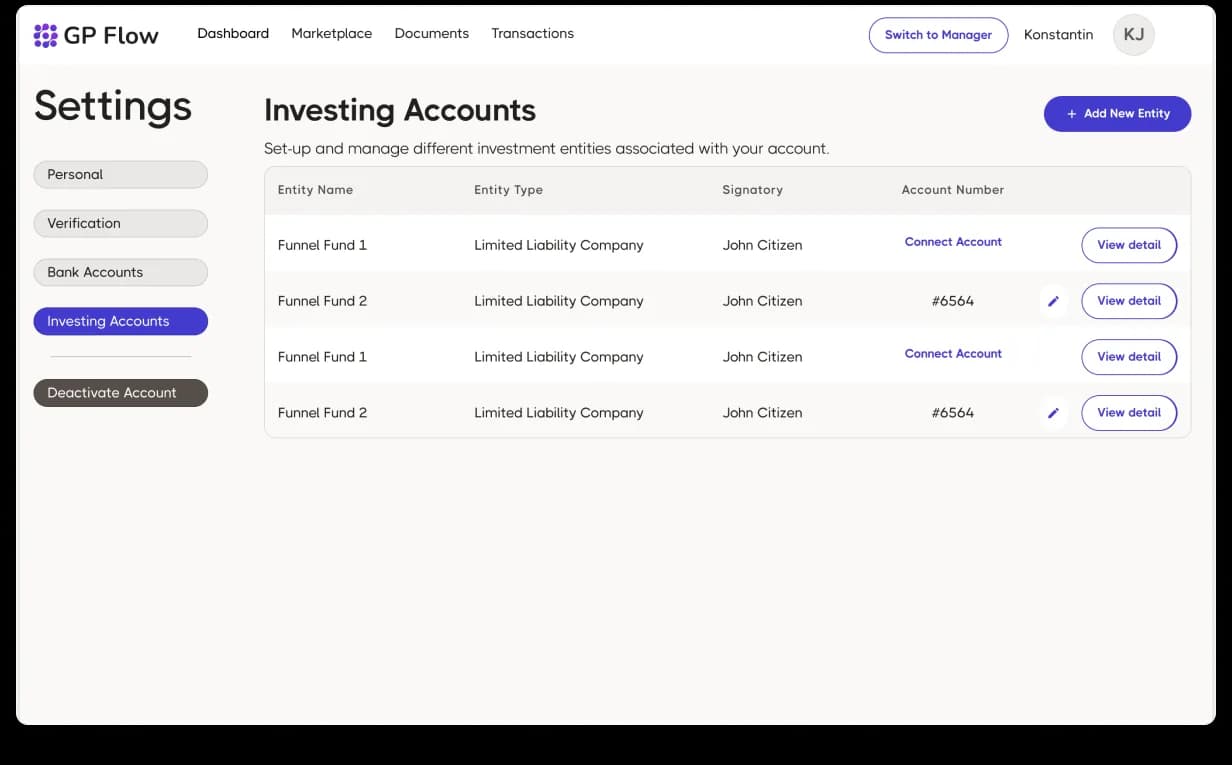
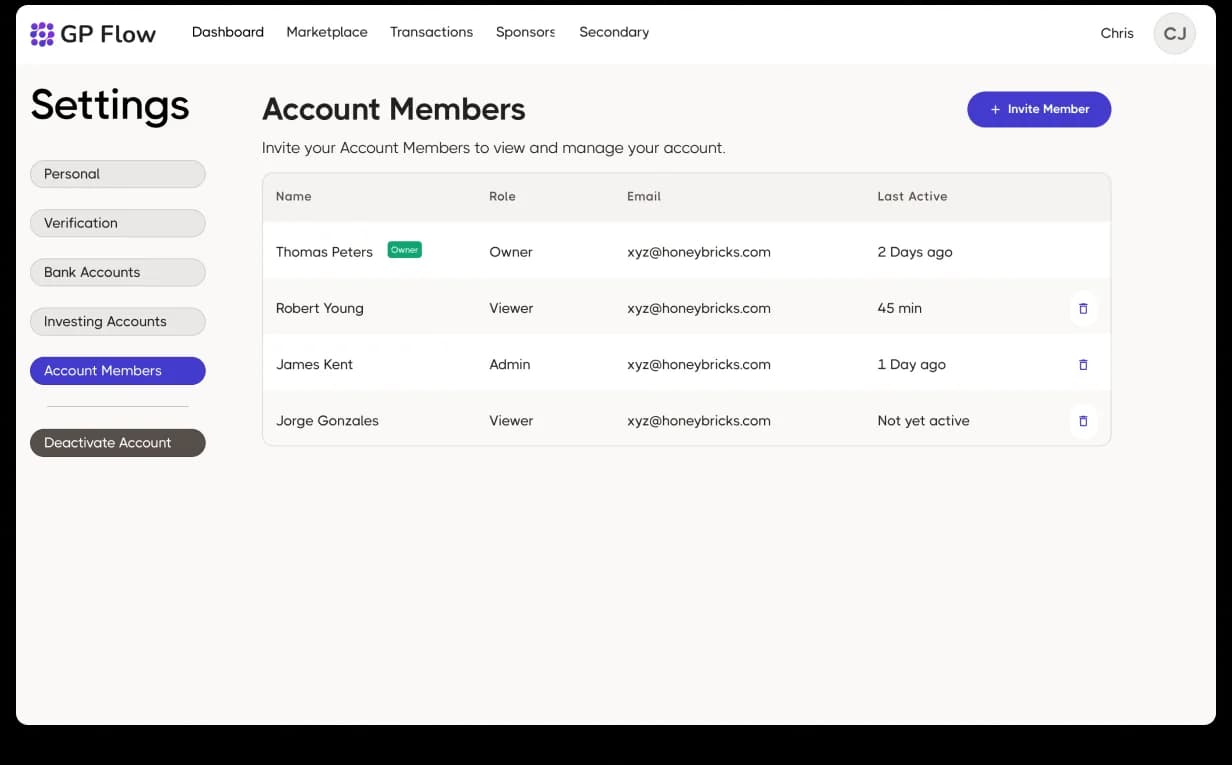
Real-estate investing rarely happens through one simple personal account. Users may invest through LLCs, multiple entities, partners, advisors, or family offices. They may need several bank accounts, different signatories, and permissioned access for other members. The original banking experience was more limited. We helped expand it into a more flexible system. Users could manage multiple investing accounts, connect bank accounts, assign ownership structures, and handle entity-level details more clearly. We also introduced account members, allowing owners to invite admins or viewers with role-based access. This made HoneyBricks feel closer to how real investors actually operate.
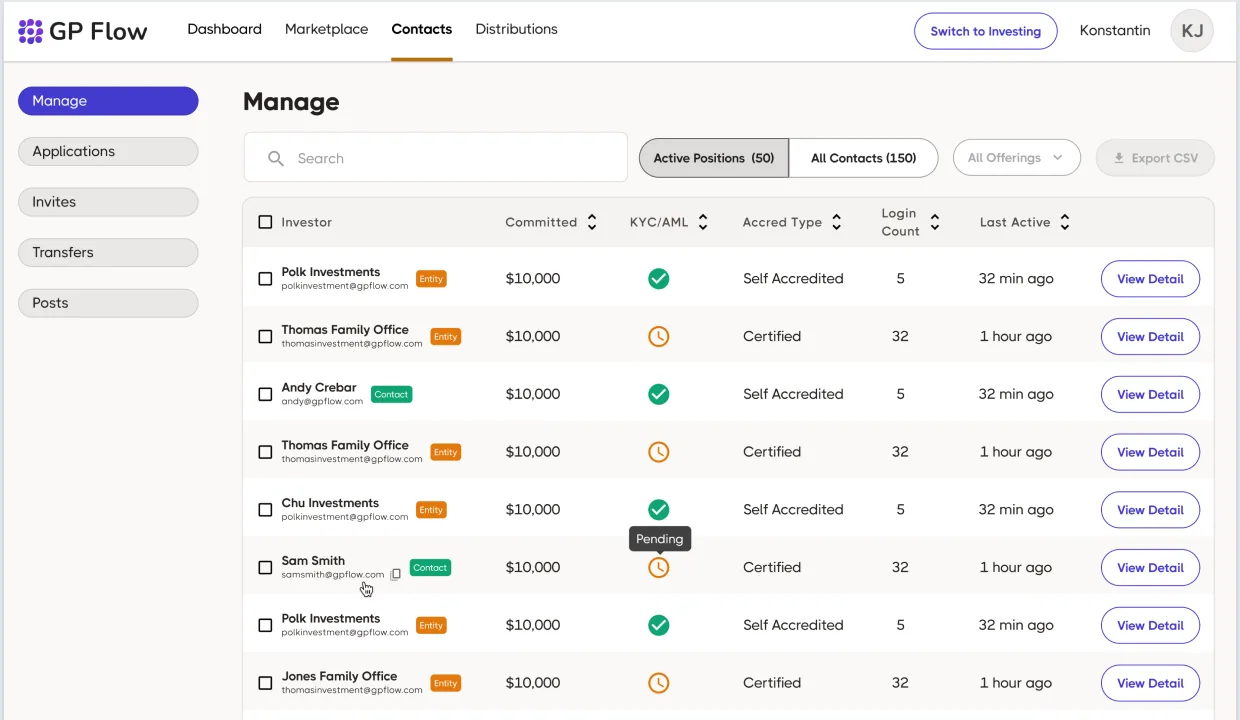
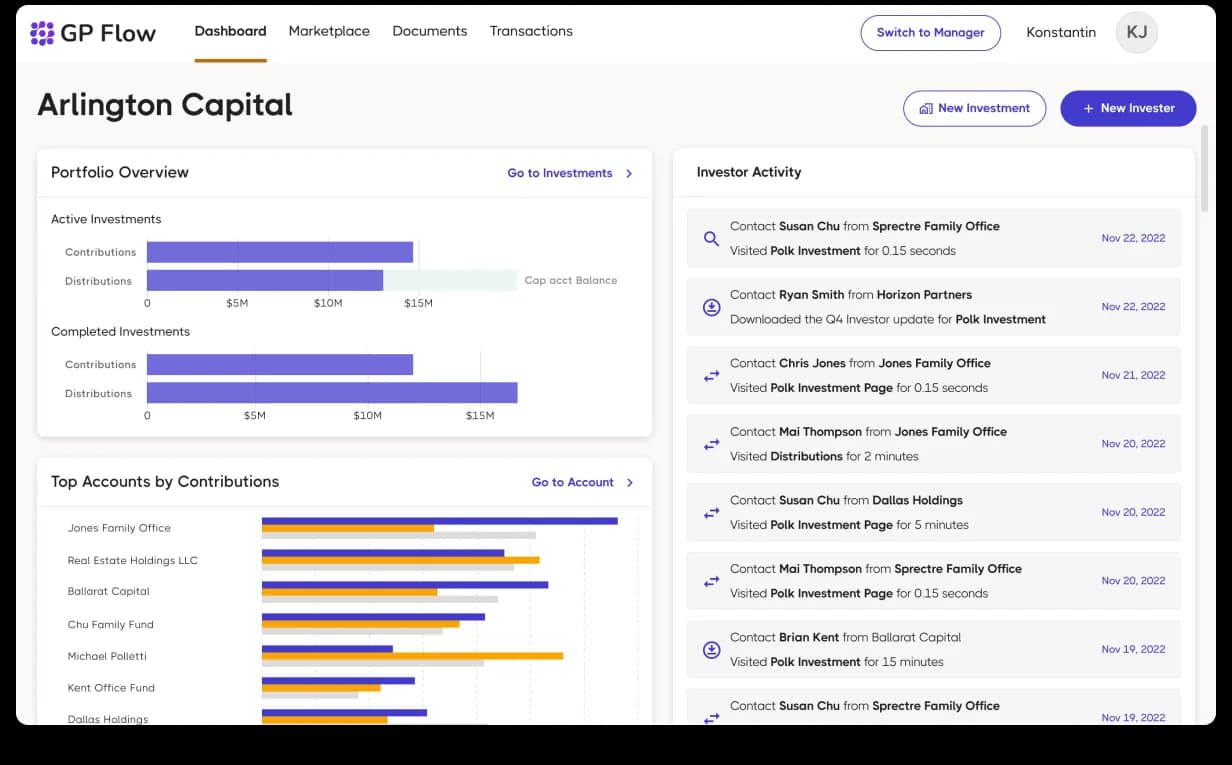
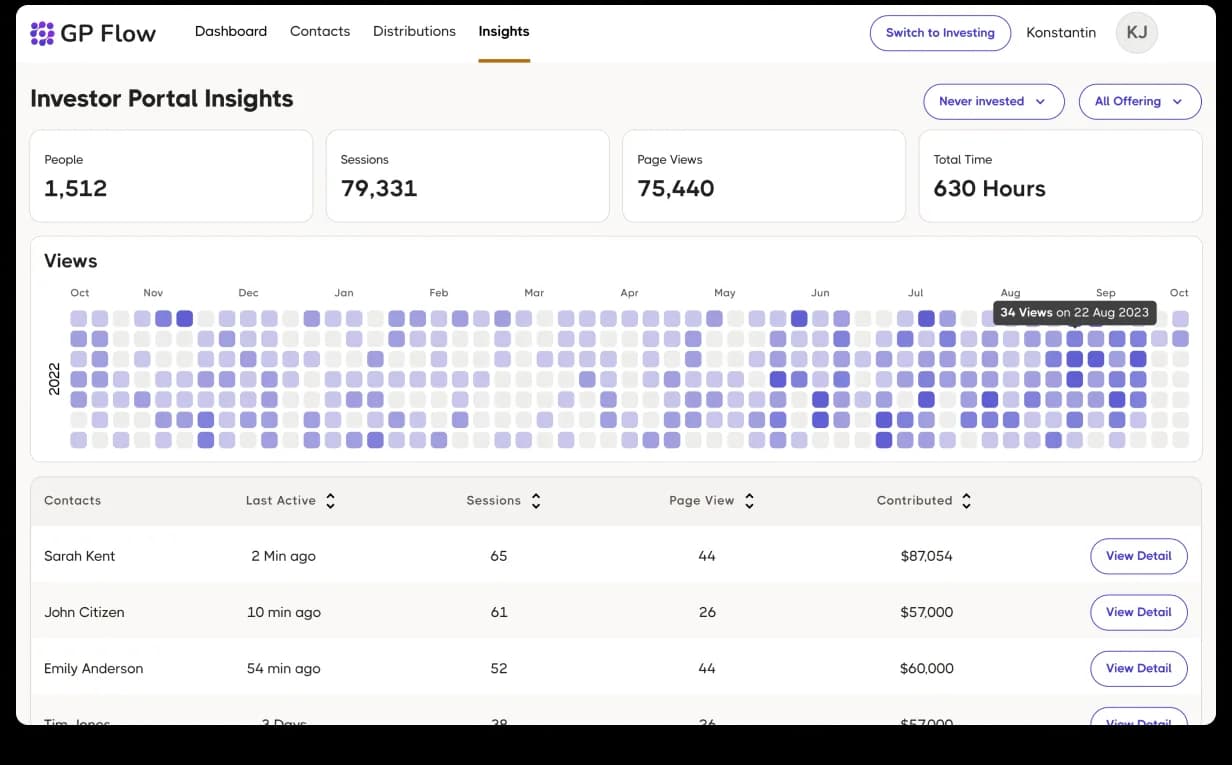
As HoneyBricks evolved, the product expanded beyond investors. Sponsors needed their own workspace to manage offerings, track investor activity, raise capital, and handle operational workflows. This became GP Flow, the sponsor-side platform. The challenge was to create a new product surface without making it feel disconnected from the investor experience. We designed the sponsor platform on the same product shell and component foundation. Sponsors could switch between investing and managing, review portfolio-level activity, track top accounts, view contributions, monitor investor engagement, and manage contacts. The platform gave sponsors the visibility they needed to understand who was engaging, what they were viewing, and where prospects were in the investment journey.
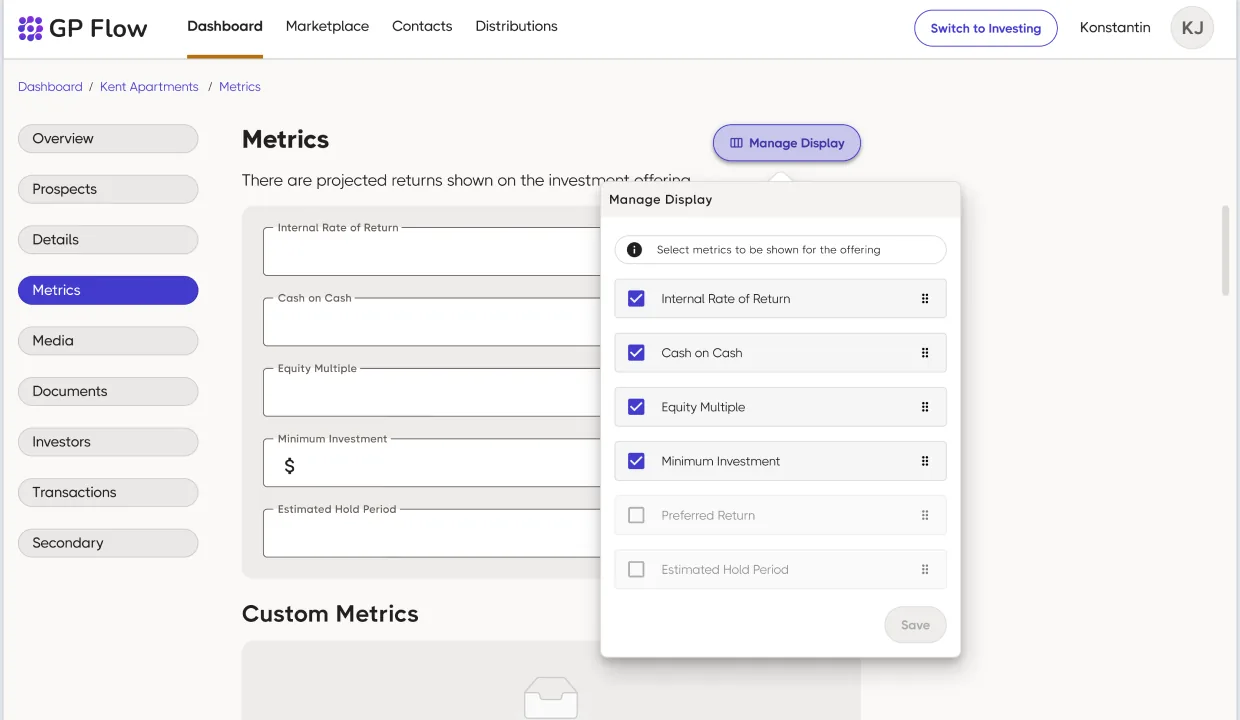
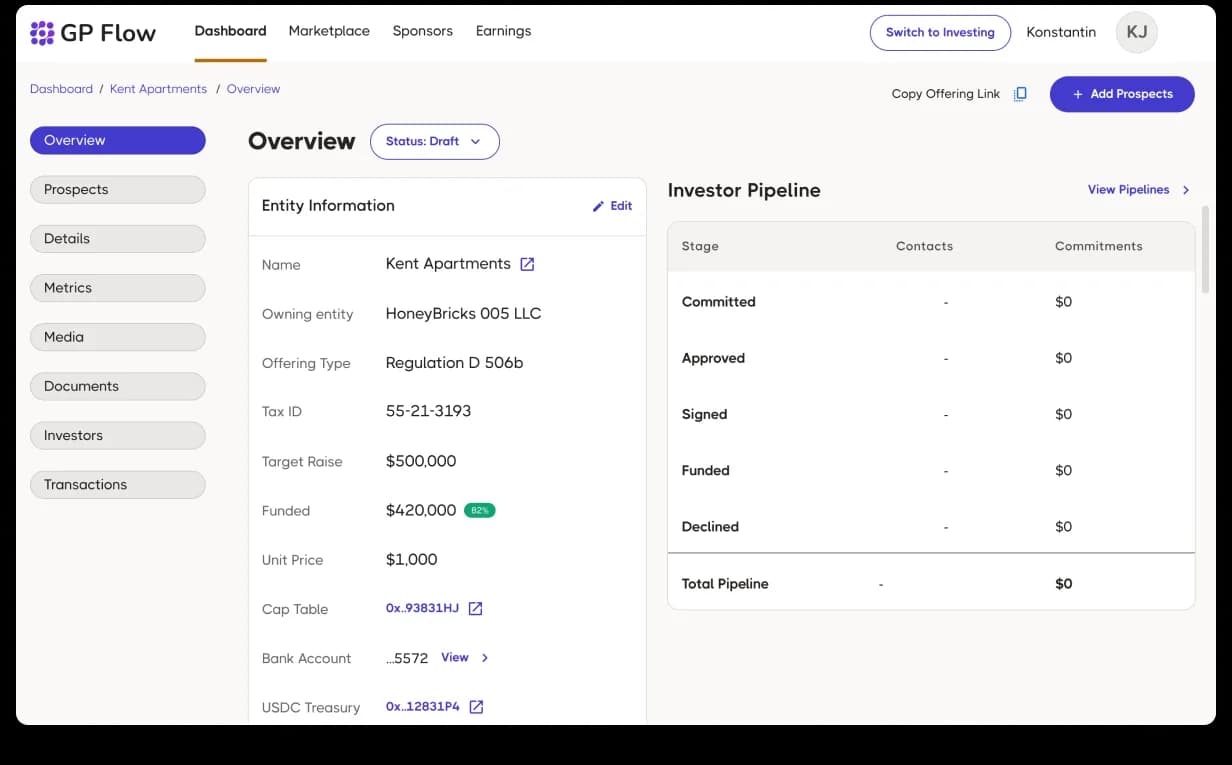
For sponsors, launching and managing offerings is the heart of the platform. They needed a structured way to create offerings, upload documents, manage media, define metrics, track prospects, and move investors from interest to funding. We designed the offering management flow around clear stages and operational visibility. Sponsors could manage entity information, deal metrics, documents, investors, transactions, and prospect status inside one organized flow. The investor pipeline showed each stage clearly: committed, approved, signed, funded, declined, and total pipeline. This turned a complex fundraising workflow into something sponsors could operate daily.
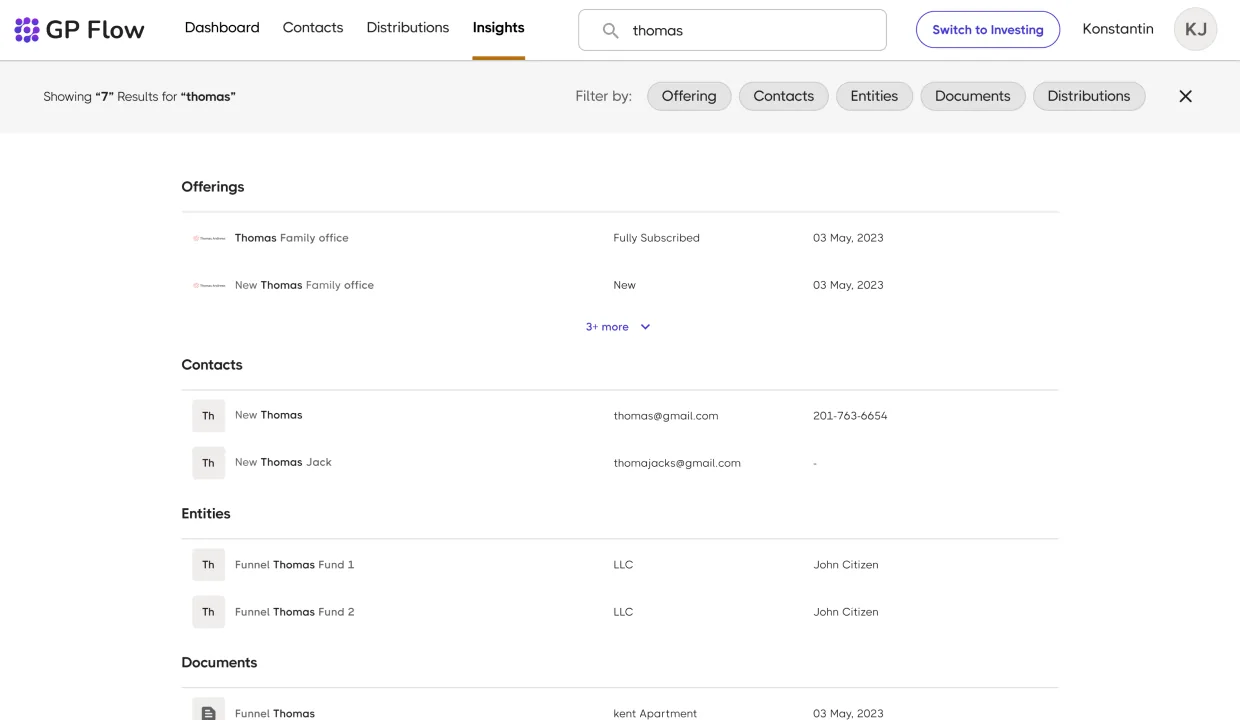
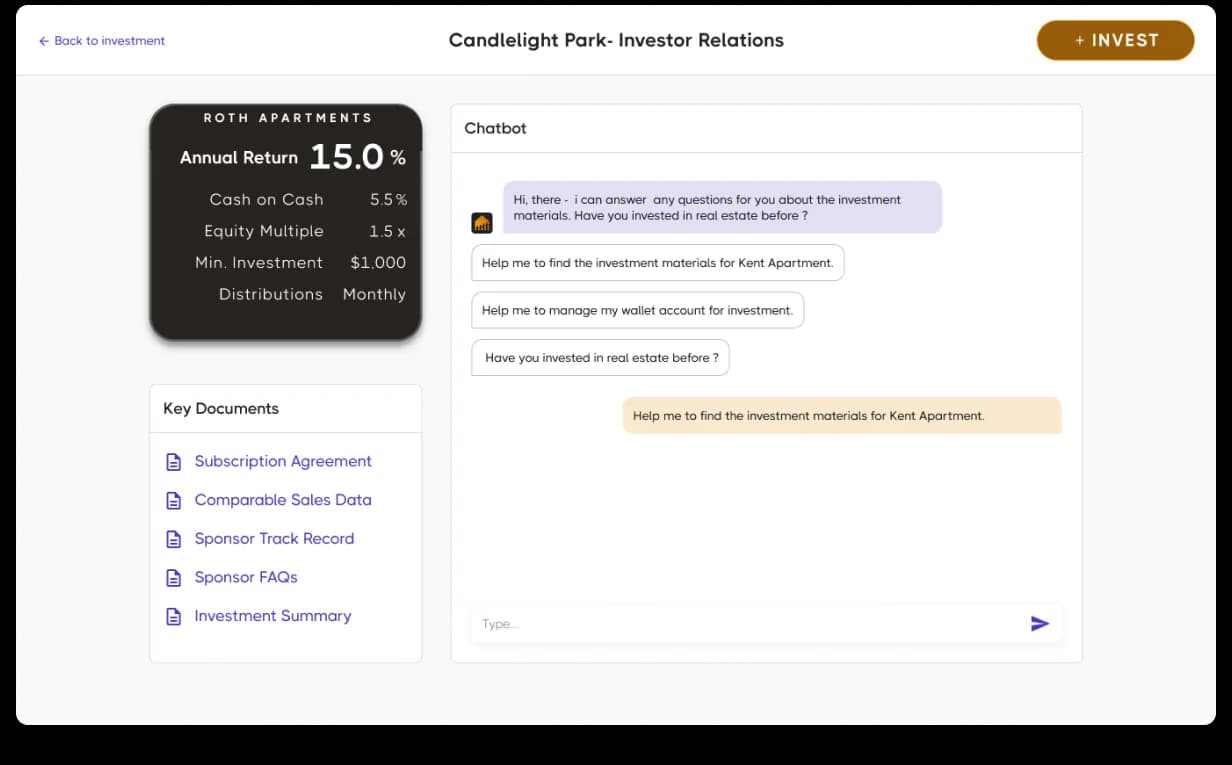
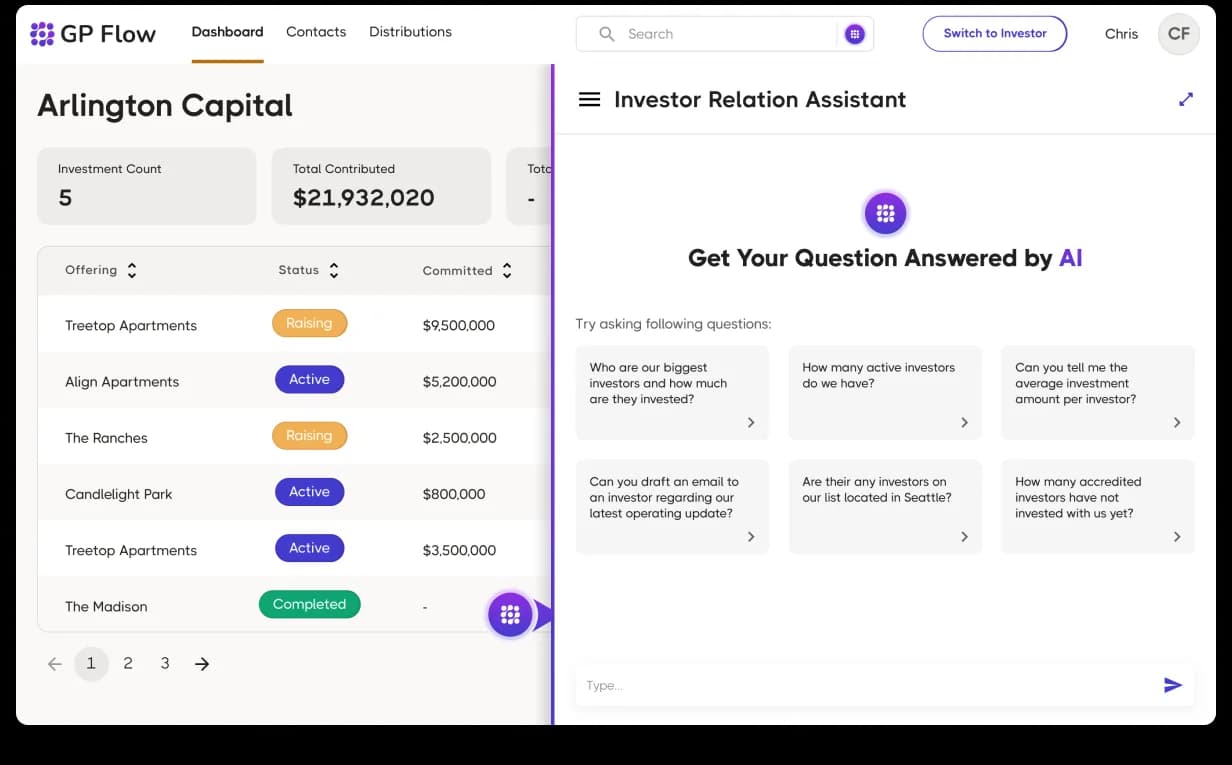
As the platform matured, HoneyBricks added AI-assisted workflows to help sponsors and investors interact with deal data more quickly. We designed AI investor relations experiences that made platform-specific information easier to access. Investors could ask questions around deal documents, sponsor data, comparable sales, FAQs, and investment summaries. Sponsors could search across offerings, investor data, documents, and activity. A conversational assistant helped answer operational questions, like who the biggest investors were or how much specific investors had committed. The design challenge was to keep AI useful without making it feel gimmicky. So we grounded it in deal context, documents, and investor activity.
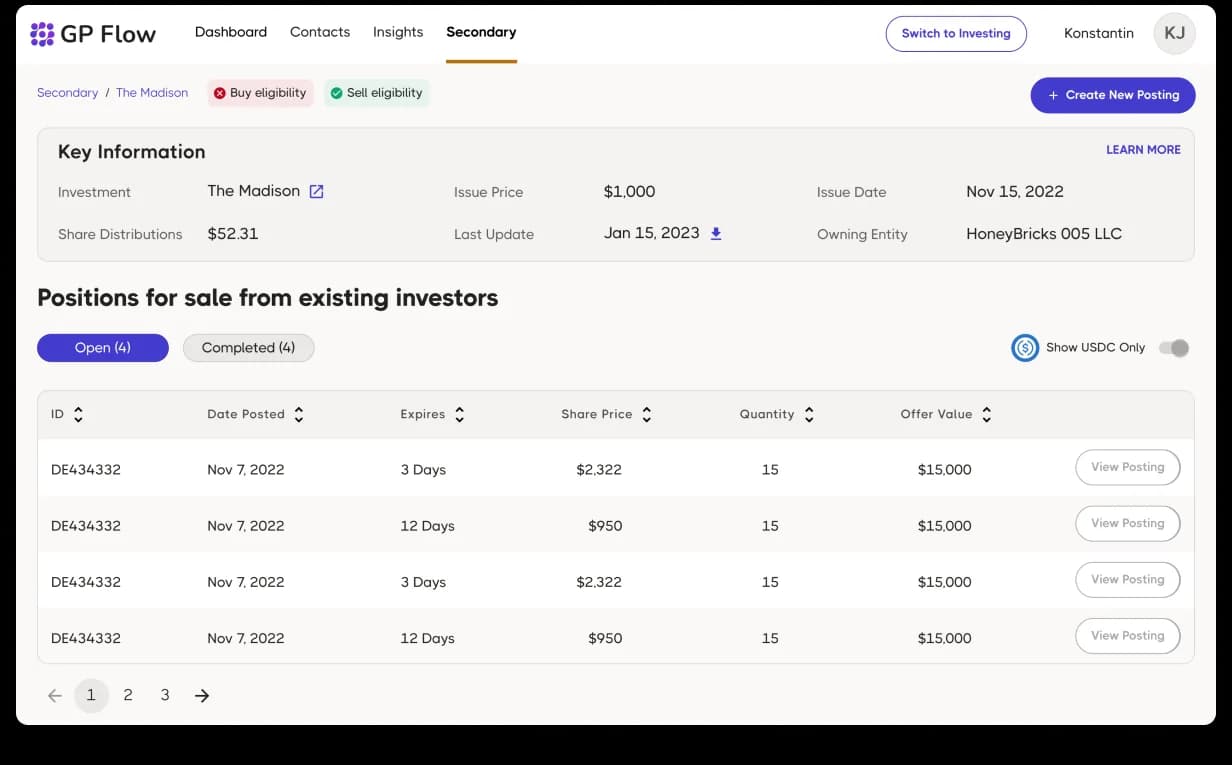
Fractional real-estate investing becomes more useful when investors can understand eligibility, ownership, and potential liquidity. We designed the secondary market experience around clarity. Users could view buy/sell eligibility, investment details, issue price, distributions, ownership entity, open positions, completed postings, quantity, share price, and offer value. The goal was to make secondary-market activity feel structured and understandable without overwhelming users.
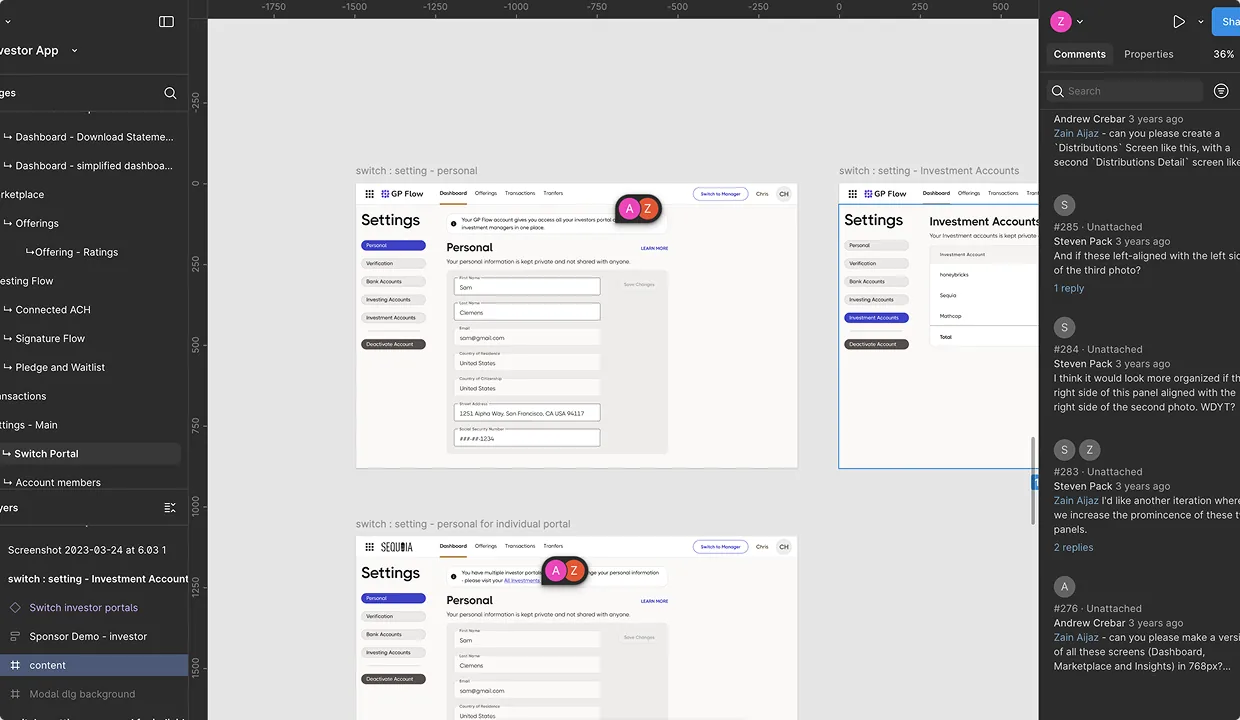
HoneyBricks needed more than individual screens. Across two years, the product expanded into investor dashboards, sponsor dashboards, onboarding, accreditation, banking, account members, offering management, prospect flow, insights, AI search, and secondary market. Without a reusable design system, every new workflow would add inconsistency. So we worked inside their existing system, improved components, extended patterns, and kept the product visually and structurally consistent. When frontend support was added, Denovers helped bring those designs into production using React. The same team that understood the design logic also helped implement responsive UI, data-heavy screens, API-connected components, and production workflows. This is what made the partnership work. Design did not sit outside engineering. It moved with the product team.
HoneyBricks came to Denovers looking for a product designer who could work like part of their team. What started as a trial became a 24-month design and frontend partnership. Across the engagement, Denovers helped design and ship key parts of the investor platform, sponsor platform, AI investor relations, offering management, onboarding, accreditation, banking, account members, secondary market, dashboards, and product system. The product became easier for investors to trust, easier for sponsors to operate, and easier for the internal team to keep building.
HoneyBricks was eventually acquired by EquityMultiple in April 2024. That was the real outcome. Not just better screens. A stronger product foundation that supported the company from active growth to acquisition.
Building a complex PropTech, fintech, or marketplace SaaS product? Start with one critical flow. We’ll audit it, redesign it, and show how your product can become clearer, more trusted, and easier to scale.