
Dual-theme enterprise DS
100+ screens across two complete themes on one component library. Real before/after pairs in the case file. Verified Clutch 5.0.
Dizzion · Cosmos Control Center
A senior designer and senior React engineer ship your design system in Figma and in your repo, on one timeline. Fixed-scope audit and rebuild. You own every token, every component, every file.
Founders and Product Teams We’ve Shipped With
Startups ship five features a week. Designers create one-off components in Figma. Engineers paste in custom classes. Tokens drift. Within six months the “system” is 18 versions of a button, three modal patterns that look alike but behave differently, and a settings page nobody can find. Your product starts to look like four products glued together.
Denovers builds a design system that survives the velocity. Senior designer plus senior frontend engineer, audit-led and fixed-scope. Tokens, Figma library, React + Storybook components, theming, docs and a migration plan, all yours the day we hand off.
Color, typography, spacing, radius, elevation, motion, and z-index tokens, structured for theming and multi-brand from day one.
Variants, properties, slots, auto-layout primitives, accessibility annotations, and a clean handoff structure for your design team to extend.
TypeScript-first components with prop APIs, every variant covered in Storybook, accessibility primitives baked in (ARIA, focus, motion).
Light/dark, multi-tenant, high-contrast, and brand variants on one shared component layer. Tested on real surfaces, not theory.
LLM streaming UI, agent step lists, eval states, prompt input with sources, tool-call chrome, refusal and citation patterns.
Usage guidelines, prop tables, code examples, do/don’t cards. Hosted on Storybook or Zeroheight, owned in your workspace.
RFC template, semver policy, deprecation calendar, contribution guide, release cadence. The system survives long after we leave.
Phased rollout plan with priorities by traffic and risk, what to do with stale components, and how to handle in-flight feature work during the migration.
Five DS shapes we’ve shipped end-to-end: dual-theme, atomic-AI, cross-platform mobile, single-DS-across-products, and white-label embedded inside a partner team.
100+ screens across two complete themes on one component library. Real before/after pairs in the case file. Verified Clutch 5.0.
Token + atom + molecule + organism structure underpinning onboarding, dashboard, reports, and AI-flavored components for enterprise sellers.
Customer mobile, agent mobile with AI assistant, and marketing site on one shared design system. 250K+ customers, 5M+ transactions live.
IoT smart-lighting design system extended across multiple mobile apps (scenes, routines, music sync, color wheel). Embedded multi-year partner.
4-year frontend + design partnership. White-label DS shipped inside an AI partner’s repo, delivering to the world’s largest FMCG.
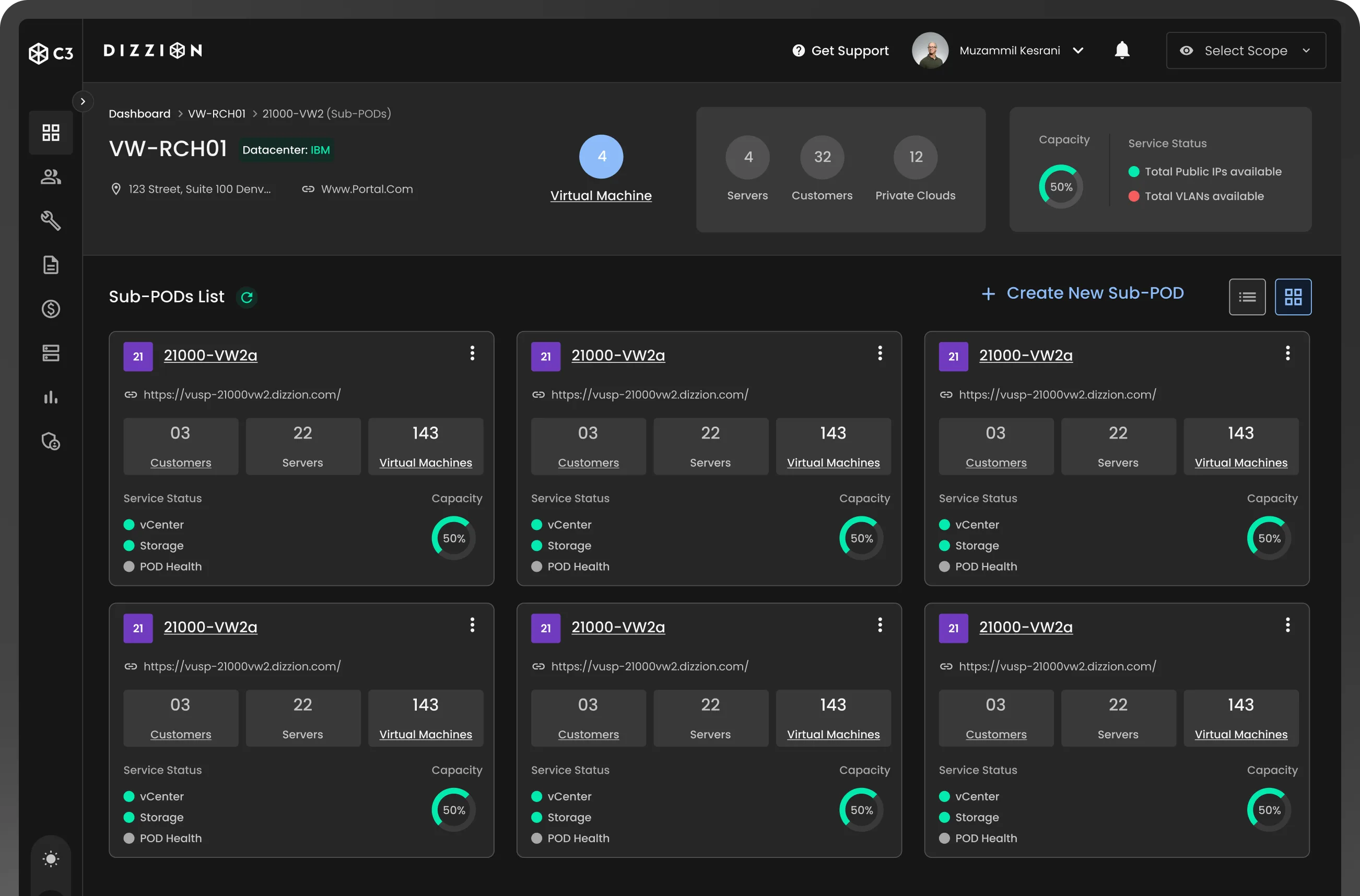
Cosmos Control Center runs across two complete themes (light + dark) on one shared design system. We built the token architecture, atomic primitives, navigation patterns, data-table density tiers and form components. Each theme is a runtime swap, not a fork. Verified Clutch 5.0 across every category from Clara, Principal Product Manager.
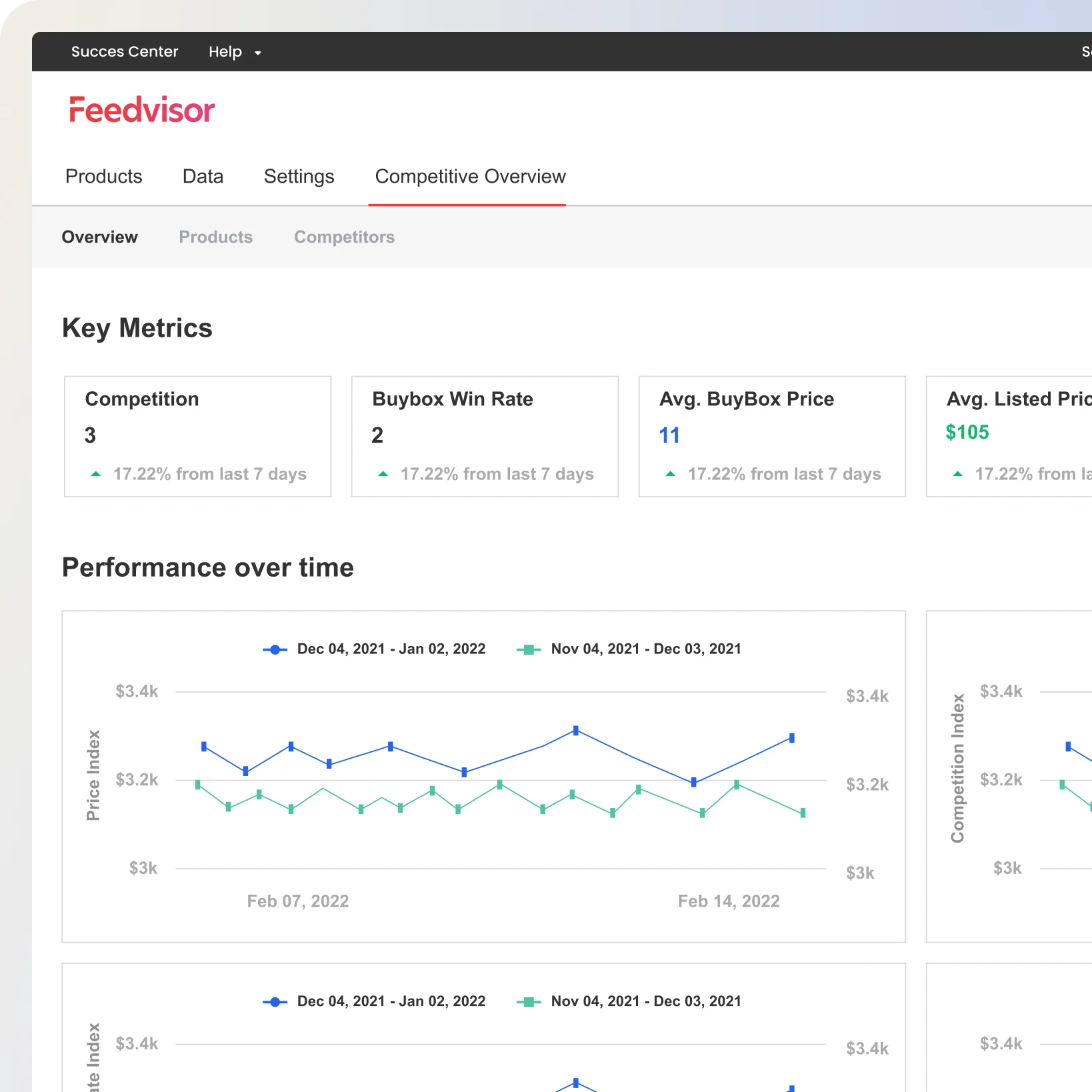
Token + atom + molecule + organism structure. Onboarding overhaul, dashboard rebuild, and a component library tuned for dense AI analytics surfaces. The DS shipped with the marketing assets, not after. One shared system across product and brand.
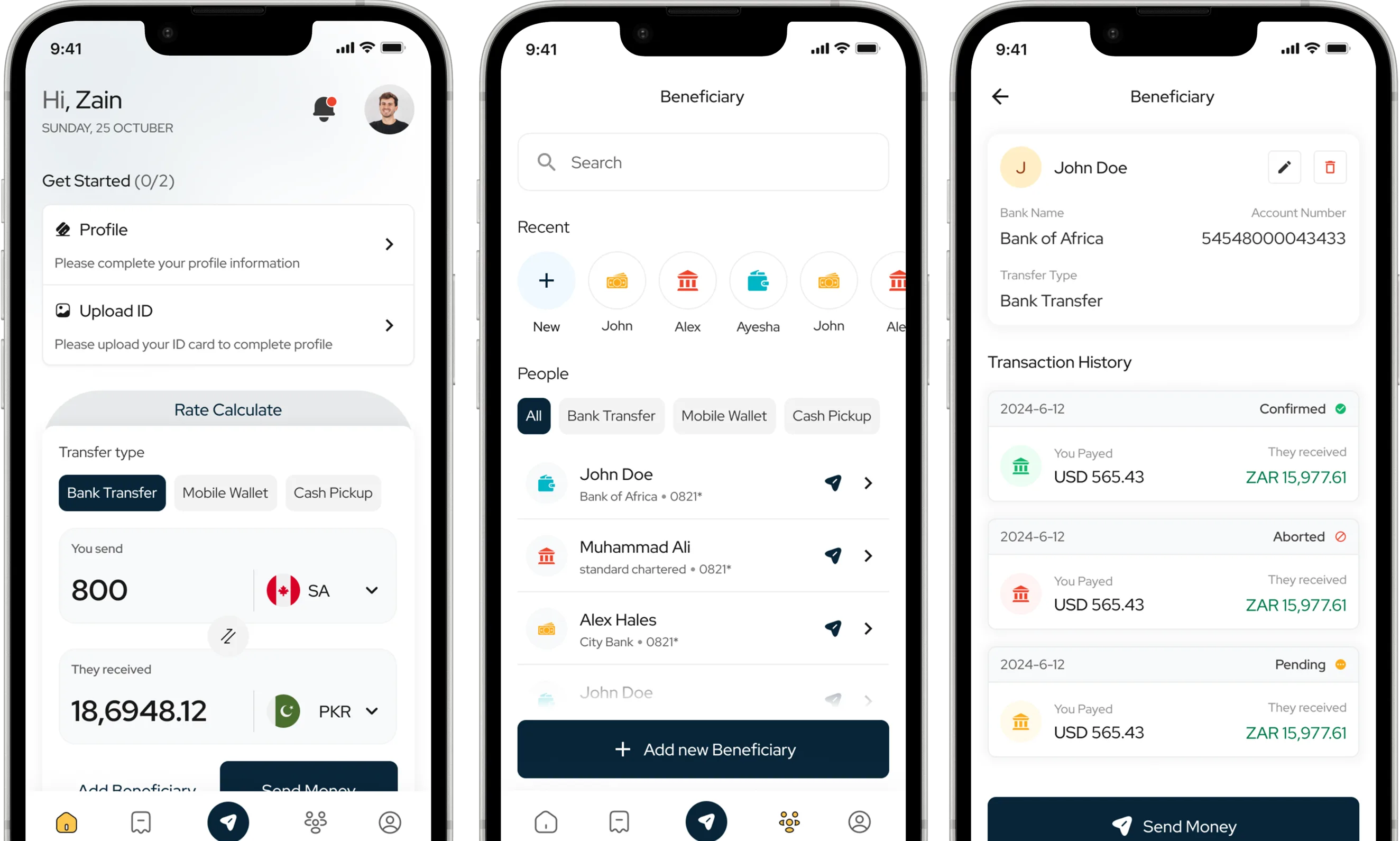
Customer mobile app, agent app with built-in AI assistant and dashboard, and the marketing site under one shared design system. Each surface ships against the same component library, same release cadence, same brand. 4.9 star App Store rating across 30+ destination countries.
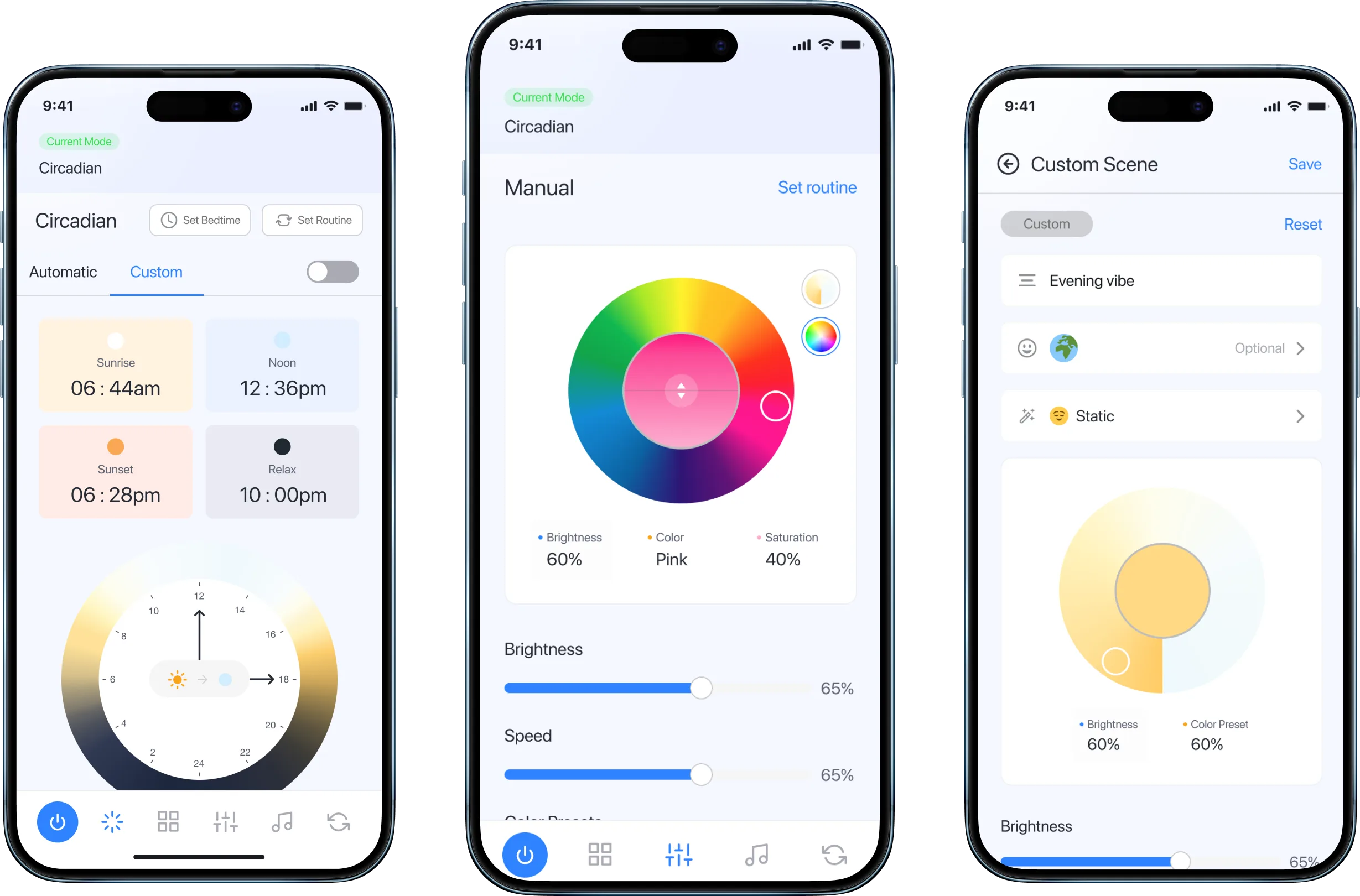
Embedded designer + ongoing partner. The DS stretches across scenes, routines, music sync and color-wheel surfaces, holding the same release cadence and quality bar as the client’s internal team. Verified Clutch 5.0 from the Product Manager.
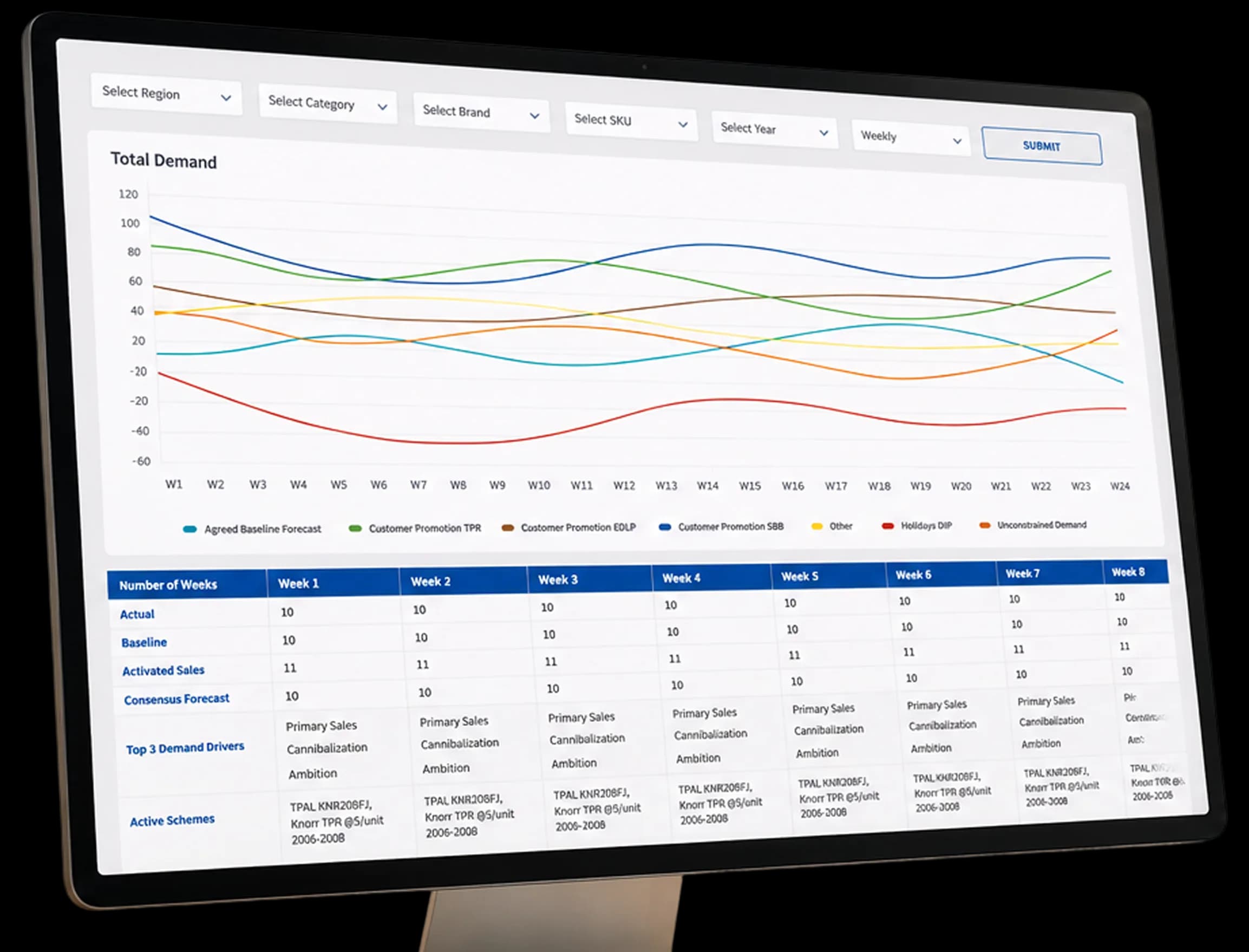
We embedded as the white-label frontend and design partner inside a global AI/data-science specialist. The design system shipped as production React inside their repo and as a Figma library inside their workspace. Two enterprise products (SFOS and PRAT) ran on the same DS, delivering to the world’s largest FMCG. ~4 years of partnership across two products. Repeat client. Verified Clutch testimonial.
Your product has many screens, modules, roles, settings, billing flows, and dashboards that need consistency.
Your product has new interaction patterns, prompt flows, AI outputs, review states, and automation journeys that need structure.
Your platform has complex workflows, data tables, admin portals, permissions, and multi-role experiences.
You are modernizing your product and want a design foundation that can support future releases.
Your frontend team needs reusable UI components instead of rebuilding the same interface elements repeatedly.
You are scaling the product and need a more mature design system before the product becomes harder to maintain.
Fixed-scope, milestone-paced, no open-ended retainer. Audit findings drive the rebuild scope. Rebuild deliverables are pinned in the SOW. Handoff is the deadline.
Paid DS audit on your current Figma library and codebase. Tokens, components, theming, accessibility, governance and migration cost. Deliverable: written audit report + prioritized remediation roadmap.
Token architecture (color, typography, spacing, motion, elevation), theming model (light/dark, multi-brand if scoped), and the primitive layer (buttons, inputs, typography, layout). Figma + code in parallel from day one.
The component library in Figma AND React + Storybook: forms, navigation, feedback, data display, overlays, AI-product patterns where scoped. Every variant covered, accessibility primitives baked in, semver from the first release.
Documentation site, contribution guide, RFC template, semver and deprecation calendar, phased migration plan for existing surfaces. Your team owns the system. We leave.
Audit fee is credited back if the rebuild engagement converts. Total timeline is 6 to 12 weeks depending on scope.
Many teams already have a Figma library, but it is often messy, incomplete, outdated, or disconnected from the actual product. We audit your existing design system and identify what needs to be cleaned, rebuilt, documented, or connected with frontend.
What we reviewNo subscription, no month-to-month retainer, no DS-as-a-Service lock-in. Start with a paid audit, then a fixed-scope rebuild. We hand off Figma, the React repo, the docs, and you keep evolving the system on your own.
1 to 2 week paid audit of your current Figma library and codebase. Deliverable: a prioritized remediation roadmap.
6 to 12 week fixed-scope rebuild. Figma library and production React under one roof. Handoff is the deadline.
Need design only, no engineering? See our Embedded Design Team service →
Ten straight answers. The audit deliverable, why Figma + code, rebuild timeline, ownership, what’s in the React library, theming, migration, why fixed-scope, AI products, and team fit.
A 1 to 2 week paid audit that produces a written report covering your current design tokens, component library coverage and quality, theming model, accessibility posture, documentation gaps, contribution model, and the migration cost of any changes. The report ranks remediation work by impact and effort. If the rebuild engagement converts, the audit fee is credited back. The audit is the natural entry point for most teams.
Because design systems break when Figma and code disagree. Most agencies stop at the Figma library and hand it to your engineers; the implementation drifts within two sprints. We ship tokens, components, theming and documentation in BOTH Figma and production React (with Storybook) under one studio, so the source of truth is unified from kickoff. One spec, two artifacts, same semver.
6 to 12 weeks, fixed-scope. A small DS (foundational tokens, 20 to 30 core components, single theme) ships in 6 to 8 weeks. A multi-theme or multi-product DS (e.g. light + dark, multi-tenant brand, or cross-platform mobile parity) runs 10 to 12 weeks. Scope is locked in the audit, and the SOW pins the deliverables, the milestone schedule, and the handoff date. No open-ended retainer.
You. The Figma library lives in your workspace, the React component library lives in your repo under your license, the documentation lives on your domain. There is no Denovers-licensed framework you keep paying for, no hosted component bundle that locks you in. We sign IP-assignment language in the MSA. Your internal team can extend the DS from day one of handoff.
TypeScript-first components with prop APIs, Storybook stories for every variant and state, accessibility primitives (ARIA, focus management, reduced-motion), theming hooks for light/dark and multi-tenant brand, visual regression baseline (Chromatic or equivalent), and a contribution guide. Component count varies by scope but a typical rebuild ships 30 to 60 components across primitives, forms, navigation, feedback, data display, and overlay categories.
Yes. Dizzion’s design system runs across two complete themes (Cosmos light + dark) on one shared component library, with theming hooks built into every component. HomeRemitt’s design system ships across three products (customer app + agent app + marketing site) on one shared brand. We design the token architecture to support multi-tenant, multi-brand, light/dark, and high-contrast modes from the audit forward, not bolted on after.
The rebuild deliverable includes a phased migration plan: which surfaces migrate first (highest-traffic, highest-risk usually go first), what to do with stale components, how to handle in-flight feature work during the migration, and a deprecation calendar for the old components. We can extend the engagement to ship the first migration wave alongside your team, but the default scope is the DS plus the plan, not the full migration.
Because a design system isn’t a subscription product, it’s an asset. Subscription-style DS-as-a-Service models keep you paying after the work is done. We build the DS once, ship it, hand over Figma and the repo, and you keep evolving it. If you need ongoing DS partnership after the rebuild, we offer it as a separate engagement, but it isn’t bundled by default. The fixed-scope shape keeps the incentives aligned: ship a system that survives without us.
Yes, and it’s a growing share of the work. AI products need component patterns that don’t exist in stock libraries: LLM streaming UI, eval state, prompt input with sources, agent step lists, tool-call chrome, error/refusal states, and citation rendering. We shipped Feedvisor’s atomic AI design system across onboarding, dashboard and reports; SFOS+PRAT’s enterprise AI components inside the world’s largest FMCG; and HomeRemitt’s AI assistant components inside the agent app. We bring the AI-specific patterns into the rebuild, not after.
The DS engineering ships in your repo, against your CI, following your conventions. We pair with your team during the rebuild on PR review and architectural decisions. By handoff, your team is the owner of the codebase and the docs, with a contribution guide they wrote with us. We do not own infrastructure, we do not gate releases. The goal is for your team to keep shipping after we leave, with no external dependency on us.
Tell us about your Figma library and codebase and we’ll get back with a scoped audit.